
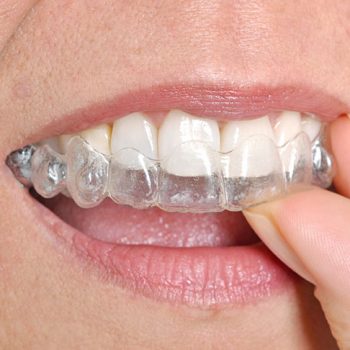
Are you experiencing issues with your orthodontic treatment? Learning to manage soreness and discomfort is normal with orthodontic treatment of any kind. This is especially true for the first few days after an orthodontic adjustment or use of a new Invisalign® aligner as your teeth begin to shift into a new position. However, there are…

Orthodontic emergencies can arise unexpectedly, especially for patients undergoing Invisalign treatment. It is crucial to recognize the signs that indicate a need for immediate professional attention. Common emergencies include severe discomfort, broken aligners, or unexpected tooth movement that could affect the treatment process.
Invisalign patients should be aware of certain situations that warrant a visit to the orthodontist. For example, if an aligner breaks or is lost, it can disrupt the treatment timeline. Additionally, if a patient experiences pain that cannot be managed with over-the-counter medication, seeking professional advice is essential to avoid further complications.
Common Issues with Invisalign Treatment
While Invisalign is a popular choice for orthodontic treatment, patients may encounter various issues throughout their journey. Understanding these common problems can help patients address them promptly and effectively. Issues may range from discomfort due to improper fit to difficulty in maintaining oral hygiene with aligners.
For instance, some patients may notice that their aligners do not fit snugly after a few days of wear. This could indicate that it’s time to switch to the next set of aligners or that the previous set was not worn long enough. Additionally, maintaining proper oral hygiene is vital, as food particles can get trapped, leading to potential dental issues if not addressed.
Steps to Take During an Orthodontic Emergency
In the event of an orthodontic emergency, knowing the right steps to take can make a significant difference in the outcome of your treatment. The first step is to assess the situation and determine the severity of the issue. If it’s something that can be managed at home, such as minor discomfort, there are simple remedies that can provide relief.
However, if the issue is more serious, such as a broken aligner or severe pain, contacting your orthodontist immediately is crucial. They can provide guidance on whether you need to come in for an appointment or if there are temporary solutions you can implement until you can be seen. Prompt communication can help prevent further complications and ensure your treatment stays on track.
Tips for Managing Invisalign Treatment at Home
Managing your Invisalign treatment at home is essential for ensuring a smooth and successful orthodontic journey. Patients should establish a routine that includes regular cleaning of their aligners and monitoring their progress. Keeping track of wear time and following the prescribed schedule will help maintain the effectiveness of the treatment.
Additionally, patients are encouraged to maintain a balanced diet and avoid foods that could damage the aligners. Drinking plenty of water and rinsing the mouth after meals can also help keep both teeth and aligners clean. By following these tips, patients can minimize issues and enhance their overall treatment experience.
Understanding Orthodontic Emergencies
Orthodontic emergencies can arise unexpectedly, especially for patients undergoing Invisalign treatment. It is crucial to recognize the signs that indicate a need for immediate professional attention. Common emergencies include severe discomfort, broken aligners, or unexpected tooth movement that could affect the treatment process.
Invisalign patients should be aware of certain situations that warrant a visit to the orthodontist. For example, if an aligner breaks or is lost, it can disrupt the treatment timeline. Additionally, if a patient experiences pain that cannot be managed with over-the-counter medication, seeking professional advice is essential to avoid further complications.
Common Issues with Invisalign Treatment
While Invisalign is a popular choice for orthodontic treatment, patients may encounter various issues throughout their journey. Understanding these common problems can help patients address them promptly and effectively. Issues may range from discomfort due to improper fit to difficulty in maintaining oral hygiene with aligners.
For instance, some patients may notice that their aligners do not fit snugly after a few days of wear. This could indicate that it’s time to switch to the next set of aligners or that the previous set was not worn long enough. Additionally, maintaining proper oral hygiene is vital, as food particles can get trapped, leading to potential dental issues if not addressed.
Steps to Take During an Orthodontic Emergency
In the event of an orthodontic emergency, knowing the right steps to take can make a significant difference in the outcome of your treatment. The first step is to assess the situation and determine the severity of the issue. If it’s something that can be managed at home, such as minor discomfort, there are simple remedies that can provide relief.
However, if the issue is more serious, such as a broken aligner or severe pain, contacting your orthodontist immediately is crucial. They can provide guidance on whether you need to come in for an appointment or if there are temporary solutions you can implement until you can be seen. Prompt communication can help prevent further complications and ensure your treatment stays on track.
Tips for Managing Invisalign Treatment at Home
Managing your Invisalign treatment at home is essential for ensuring a smooth and successful orthodontic journey. Patients should establish a routine that includes regular cleaning of their aligners and monitoring their progress. Keeping track of wear time and following the prescribed schedule will help maintain the effectiveness of the treatment.
Additionally, patients are encouraged to maintain a balanced diet and avoid foods that could damage the aligners. Drinking plenty of water and rinsing the mouth after meals can also help keep both teeth and aligners clean. By following these tips, patients can minimize issues and enhance their overall treatment experience.