
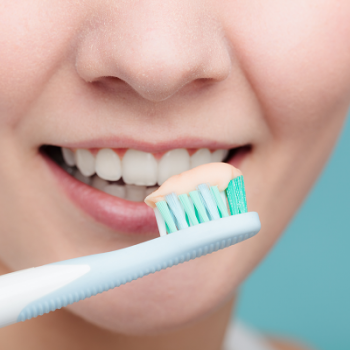
While most people are familiar with the importance of a oral hygiene routine, many have a hard time meeting the requirements of this important daily regimen. If you’re undergoing braces treatment like Invisalign, knowing the best way to clean your teeth and aligning trays is critical to getting the results you want. Why Oral Hygiene…
Comprehensive Oral Hygiene Tips for Braces and Invisalign
Maintaining optimal oral hygiene is crucial for individuals undergoing orthodontic treatment with braces or Invisalign. Proper care helps prevent cavities, gum disease, and other dental issues that can arise during treatment. It is essential to establish a routine that includes brushing, flossing, and regular dental check-ups to ensure the best results.
For those with braces, using a soft-bristled toothbrush and fluoride toothpaste is recommended. Flossing can be challenging, but special orthodontic flossers and interdental brushes can make the process easier. Invisalign users should also clean their aligners daily with a gentle cleanser to keep them clear and odor-free, ensuring effective treatment.
Understanding the Importance of Regular Orthodontic Check-ups
Regular orthodontic check-ups are vital for monitoring the progress of your treatment. These appointments allow Dr. Grussmark to make necessary adjustments to your braces or Invisalign aligners, ensuring that your teeth are moving as planned. They also provide an opportunity for patients to ask questions and address any concerns they may have.
During these visits, your orthodontist will assess your oral hygiene and the condition of your braces or aligners. This proactive approach helps to identify potential issues early, allowing for timely interventions that can enhance the effectiveness of your treatment and improve overall patient satisfaction.
Common Myths About Invisalign Treatment
There are several misconceptions surrounding Invisalign treatment that can lead to confusion for potential patients. One common myth is that Invisalign is only suitable for minor orthodontic issues. In reality, Invisalign can effectively treat a wide range of dental problems, including crowding, spacing, and bite issues.
Another myth is that Invisalign aligners are uncomfortable and difficult to wear. While some initial discomfort may occur as teeth shift, many patients find the aligners to be more comfortable than traditional braces. Understanding these myths can help patients make informed decisions about their orthodontic options.
Tips for a Successful Invisalign Experience
To maximize the effectiveness of your Invisalign treatment, it is essential to follow your orthodontist's instructions closely. This includes wearing your aligners for the recommended 20 to 22 hours a day and changing them as directed. Consistency is key to achieving the desired results within the projected timeline.
Additionally, maintaining good oral hygiene and attending regular check-ups will contribute to a successful treatment experience. Keeping track of your aligners and ensuring they are cleaned properly will help prevent any complications and ensure your smile transformation stays on track.
Comprehensive Oral Hygiene Tips for Braces and Invisalign
Maintaining optimal oral hygiene is crucial for individuals undergoing orthodontic treatment with braces or Invisalign. Proper care helps prevent cavities, gum disease, and other dental issues that can arise during treatment. It is essential to establish a routine that includes brushing, flossing, and regular dental check-ups to ensure the best results.
For those with braces, using a soft-bristled toothbrush and fluoride toothpaste is recommended. Flossing can be challenging, but special orthodontic flossers and interdental brushes can make the process easier. Invisalign users should also clean their aligners daily with a gentle cleanser to keep them clear and odor-free, ensuring effective treatment.
Understanding the Importance of Regular Orthodontic Check-ups
Regular orthodontic check-ups are vital for monitoring the progress of your treatment. These appointments allow Dr. Grussmark to make necessary adjustments to your braces or Invisalign aligners, ensuring that your teeth are moving as planned. They also provide an opportunity for patients to ask questions and address any concerns they may have.
During these visits, your orthodontist will assess your oral hygiene and the condition of your braces or aligners. This proactive approach helps to identify potential issues early, allowing for timely interventions that can enhance the effectiveness of your treatment and improve overall patient satisfaction.
Common Myths About Invisalign Treatment
There are several misconceptions surrounding Invisalign treatment that can lead to confusion for potential patients. One common myth is that Invisalign is only suitable for minor orthodontic issues. In reality, Invisalign can effectively treat a wide range of dental problems, including crowding, spacing, and bite issues.
Another myth is that Invisalign aligners are uncomfortable and difficult to wear. While some initial discomfort may occur as teeth shift, many patients find the aligners to be more comfortable than traditional braces. Understanding these myths can help patients make informed decisions about their orthodontic options.
Tips for a Successful Invisalign Experience
To maximize the effectiveness of your Invisalign treatment, it is essential to follow your orthodontist's instructions closely. This includes wearing your aligners for the recommended 20 to 22 hours a day and changing them as directed. Consistency is key to achieving the desired results within the projected timeline.
Additionally, maintaining good oral hygiene and attending regular check-ups will contribute to a successful treatment experience. Keeping track of your aligners and ensuring they are cleaned properly will help prevent any complications and ensure your smile transformation stays on track.