
Rediscover Your Smile Stability: Addressing Orthodontic Relapse
Has your perfectly aligned smile begun to shift? That disheartening movement of teeth after previous orthodontic or Invisalign treatment—known as relapse—is frustratingly common, but it is entirely treatable.
At the practice of Dr. Grussmark, a top-rated Miami orthodontist, we understand the science behind why teeth move and, more importantly, how to stop it permanently. We blend decades of experience with the latest clear alignment and retention technologies, ensuring your retreatment journey is discreet and comfortable.
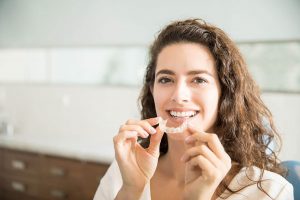 Contact Dr. Grussmark’s office immediately for a consultation. Call us at 305-842-3672. We warmly welcome patients seeking lasting smile stability from Brickell, Coral Gables, and Miami Beach.
Meet Dr. Grussmark and the Team at the Centre for Invisible Orthodontics
Dr. Grussmark takes pride in guiding each patient back to a smile that feels natural, healthy, and confident. Patients often describe their visits as welcoming and reassuring, thanks to a team that combines professional skill with genuine care.
The practice blends advanced technology with a deep understanding of facial structure and dental health, allowing Dr. Grussmark to craft solutions that feel comfortable and produce long-lasting results. Patients in Miami, FL, and nearby communities like Coral Gables, Coconut Grove, and Key Biscayne value the hands-on approach and attention to detail that make our local orthodontic practice stand out.
What is Orthodontic Relapse?
Orthodontic relapse is the natural tendency of teeth to move back towards their original, pre-treatment positions. This movement is driven by a combination of forces: the natural elasticity of the gum fibers, the memory of the bone and soft tissues surrounding the teeth, and the continuous pressures from chewing, swallowing, and speaking. The etiology of relapse in orthodontics is complex and unclear and involves several factors that compromise the stability of the results.
Understanding the root cause is the first step toward finding a lasting solution. Dr. Grussmark’s initial consultation involves a comprehensive evaluation using state-of-the-art digital imaging, allowing us to accurately diagnose the extent and cause of your relapse.
Signs and Symptoms of Orthodontic Relapse
Recognizing these signs early allows for the simplest and quickest retreatment with Dr. Grussmark:
- Visible Shifting: The most common sign is the reappearance of crowding, overlaps, or rotations, especially on the lower front teeth.
- New Gaps or Spacing: Small, new spaces beginning to form between teeth that were previously touching.
- Tight Retainer Fit: Your removable retainer suddenly feels snug, tight, or requires force to fully seat, indicating your teeth have moved since it was last worn consistently.
- Difficulty with Insertion/Removal: The retainer is hard to put on or take off, confirming a misalignment with the current position of your teeth.
- Bite Feeling “Off”: Your upper and lower teeth no longer meet comfortably, or your bite feels unbalanced (changes in occlusion).
- Rotated or Tilted Teeth: A tooth that was perfectly straight now appears slightly twisted or angled out of alignment.
- Jaw Discomfort: New or recurring soreness, clicking, or pain in the jaw joints (TMJ) due to an unbalanced bite resulting from shifting.
- Flossing Difficulties: Sudden increased difficulty or tightness when flossing between teeth where it was previously easy, suggesting the teeth have shifted closer together.
Four Common Causes of Orthodontic Relapse
 Relapse
Common causes of orthodontic relapse can include:
- Inconsistent Retainer Wear: This is, without question, the leading cause. Retainers are the essential phase of orthodontic treatment. They hold your teeth firmly in their new positions while the surrounding bone and ligaments stabilize. Skipping this step, even for a few weeks, allows the natural forces to prevail. The most common and controllable cause of orthodontic relapse is failing to wear a retainer as prescribed.
- Natural Aging and Growth: The human jaw and facial structure change throughout life. This continuous process can exert pressure on the teeth, causing movement.
- Habitual Pressures: Activities like teeth grinding (bruxism), clenching, or even chronic mouth-breathing can place significant forces on your teeth, pushing them out of alignment over time.
- Periodontal Health Changes: If the gum tissues and bone supporting your teeth become compromised due to inflammation or disease, the foundation of your smile weakens, making relapse much more likely.
Treating Orthodontic Relapse in Miami
Dr. Grussmark offers a range of treatment options to address orthodontic relapse, ensuring a personalized approach to restoring your smile.
Retainers
For mild cases of teeth shifting, orthodontic retainers might be sufficient. These clear or removable appliances help maintain the position of your teeth. In mild cases, retainers can effectively reposition slightly shifted teeth if they are caught early. There are various types of retainers, including:
- Fixed Retainers: Bonded to the back of your teeth for continuous wear.
- Removable Retainers: Can be taken out for eating and cleaning.
Invisalign Clear Aligners
Invisalign is popular among many patients due to its discretion and comfort compared to clear braces. Clear aligners are custom-made to move your teeth back into place gradually. They are removable, allowing you to eat, drink, and brush your teeth as usual.
Traditional Braces
For more complex cases of orthodontic relapse, traditional braces may be necessary. These involve metal brackets and wires to correct misalignment. While less discreet than Invisalign, traditional braces are highly effective in achieving the desired results.
Dr. Grussmark will carefully evaluate your situation to determine the most suitable treatment option. Our goal is to create a customized treatment plan that addresses your unique needs and restores your confidence in your smile.
How Do I Prevent Orthodontic Relapse?
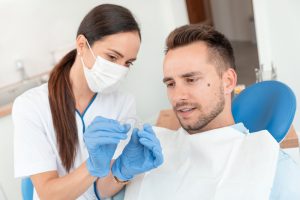
Preventing orthodontic relapse is about maintaining the significant investment you made in your smile. While the braces or clear aligners did the heavy lifting of moving your teeth, the retention phase is the lifetime commitment that relies on patient compliance. that guarantees stability.
Here is the one comprehensive list of steps to safeguard your straight smile:
- Prioritize Retainer Wear as Instructed: This is the singular, most critical step. Your teeth and the surrounding bone and ligament fibers have a “memory” and will attempt to shift back to their original positions. Retainers actively hold them in place while the foundation stabilizes.
- Choose the Right Retainer Type: Dr. Grussmark may recommend a combination of retention devices based on your specific case.
- Maintain Excellent Oral Hygiene: Healthy gums are essential for stable teeth. Periodontal disease (gum disease) weakens the bone and supporting structures, making teeth more susceptible to movement.
- Avoid Harmful Oral Habits: Habits that place consistent, undue pressure on your teeth can lead to relapse, even with retainer wear.
- Replace Damaged or Lost Retainers Immediately: Do not wait if your retainer is cracked, broken, or lost. Contact Dr. Grussmark’s office immediately at 305-842-3672 to have a replacement made. The longer you go without it, the greater the risk of movement.
Frequently Asked Questions
How long will orthodontic retreatment take?
The duration of retreatment is highly dependent on the severity of the relapse. Mild shifting can often be corrected when it occurs, in as little as three to six months, with consistent use of a new retainer or a short series of clear aligners. More significant relapses may require six to 18 months, which is usually less time than the original comprehensive treatment. The first three to six months post-treatment are critical, as teeth are most prone to shifting during this time.
Does dental insurance typically cover orthodontic retreatment?
Coverage for retreatment for orthodontic patients can vary. Many dental insurance plans have a lifetime maximum benefit for orthodontics. Our administrative team will work with you, providing transparent cost estimates and reviewing available financing options to make the best possible care accessible.
Will I need braces again if I experience orthodontic relapse?
Not always. Dr. Grussmark evaluates the extent of misalignment to determine whether clear aligners, a retainer adjustment, or traditional braces are most appropriate.
If I had braces before, can I switch to clear aligners for retreatment?
Yes, in most cases, clear aligners are an excellent option for correcting relapse, especially for adult patients, even if your initial treatment involved traditional braces. Dr. Grussmark will conduct a thorough assessment of your bite and alignment to determine if clear aligners can achieve the necessary tooth movements, which they can for a large majority of relapse cases.
Maintain Your Orthodontic Treatment Results with Dr. Grussmark
The moment you notice your teeth shifting, a feeling of disappointment can settle in. Do not let that momentary frustration turn into a permanent distraction. You deserve to look in the mirror and see the straight, beautiful smile you worked so hard to achieve.
Call our Miami orthodontic office at 305-842-3672. Let us partner with you to create a secure, stable, and stunning smile that stands the test of time. Patients from Coral Gables, Coconut Grove, and Key Biscayne are encouraged to seek evaluation as soon as they notice changes.